
Conversation Series on Native, Non-native, & “Invasive” Plant Species Speaker Biographies
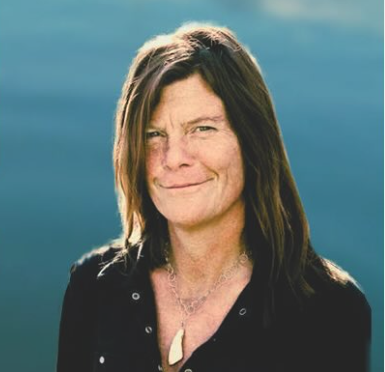
December 1, 2025. Nance Klehm
Nance (she/they) has been an ecological systems designer, landscaper, horticultural consultant, and agroecological grower for more than three decades. Her approach is centered on instigating change by activating already existent communities, and her work demonstrates her lifelong commitment to redefining the way human populations coexist with plant and animal systems on this planet.
Nance believes deeply in the alchemy of theory and practice. She embodies the work she theorizes as she currently splits her time between Little Village, a densely packed, diverse urban neighborhood in the heart of Chicago where she works to facilitate community soil production, and fifty acres of land in the Driftless Region of northwest Illinois, where she stewards a prairie, cultivates and forages medicinal and edible plants and fungi, keeps bees and a fruit orchard, raises quail, and grows seed for a seed bank. Her urban and rural lives offer daily practice in the complex intersections of place and people.
RESOURCES:
Soil Keepers Program: https://socialecologies.net/The-Soil-Keepers
Book: The Soil Keepers: Interviews with Practitioners on the Ground Beneath Our Feet by Nance Klehm
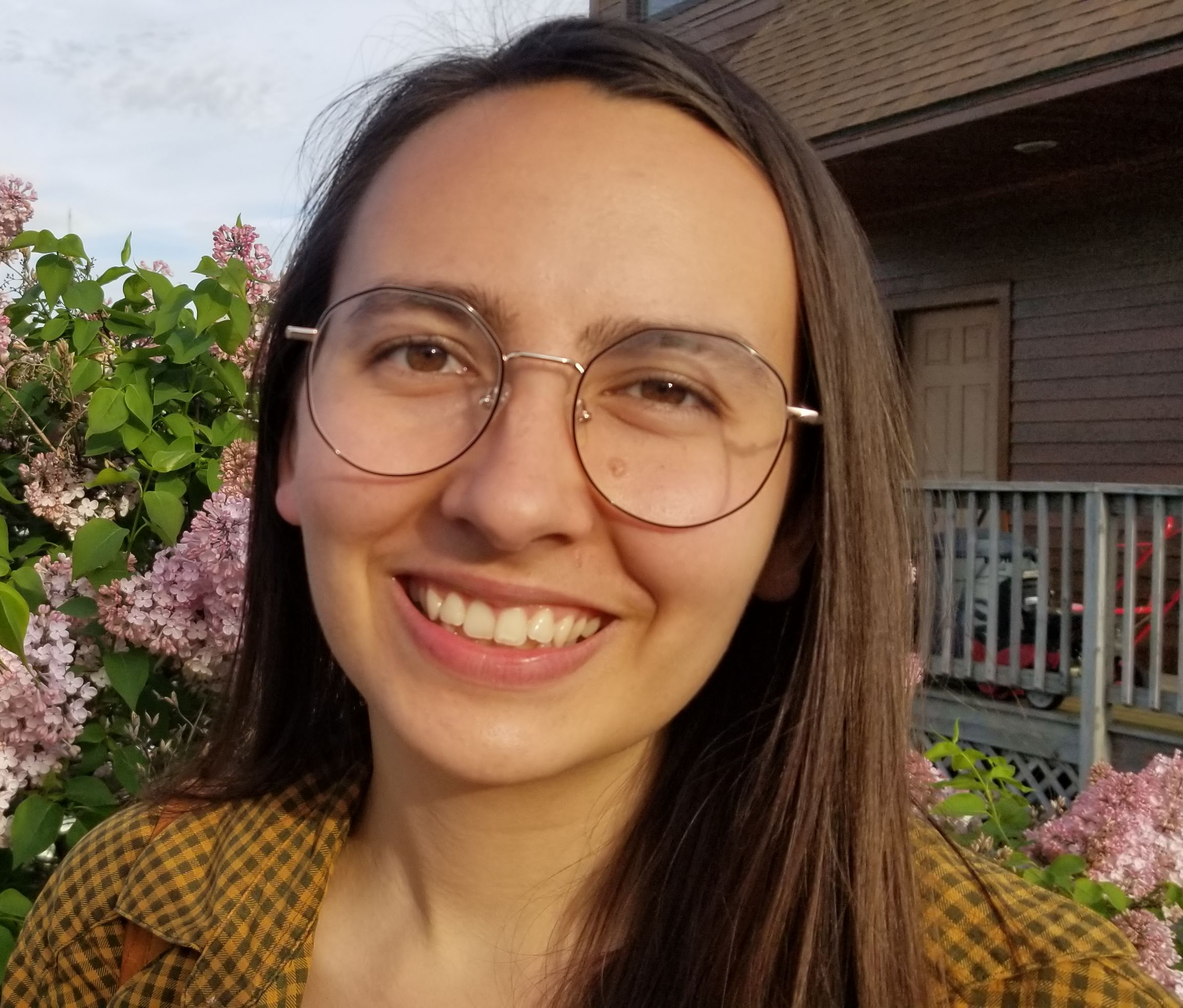
January 2, 2026. Tabitha Faber
Tabitha (any/all) recently obtained her Ph.D. from the Department of Botany at the University of Wisconsin-Madison. Their work has centered on the plant apazote, an edible and medicinal plant from Latin America that has now been introduced all over the world, and that produces diverse chemistry that can influence how the plant may be used. They have taught classes in plant identification, botanical sciences, and ethnobotany for the past ten years, specializing in the plants she grew up near in the Midwest. In their next phase of life, they look forward to writing more about plant-human relationships in all their forms. Tabitha is interested in all facets of plant-human relationships, especially relational grey areas: lines of edible/medicinal/toxic, wild/weedy/domesticated, and plants that are loved, hated, and misunderstood.
RESOURCES:
Book: Ghost Stories for Darwin: The Science of Variation and the Politics of Diversity by Banu Subramaniam
Book: Novel and History, Plot and Plantation by Sylvia Wynter.
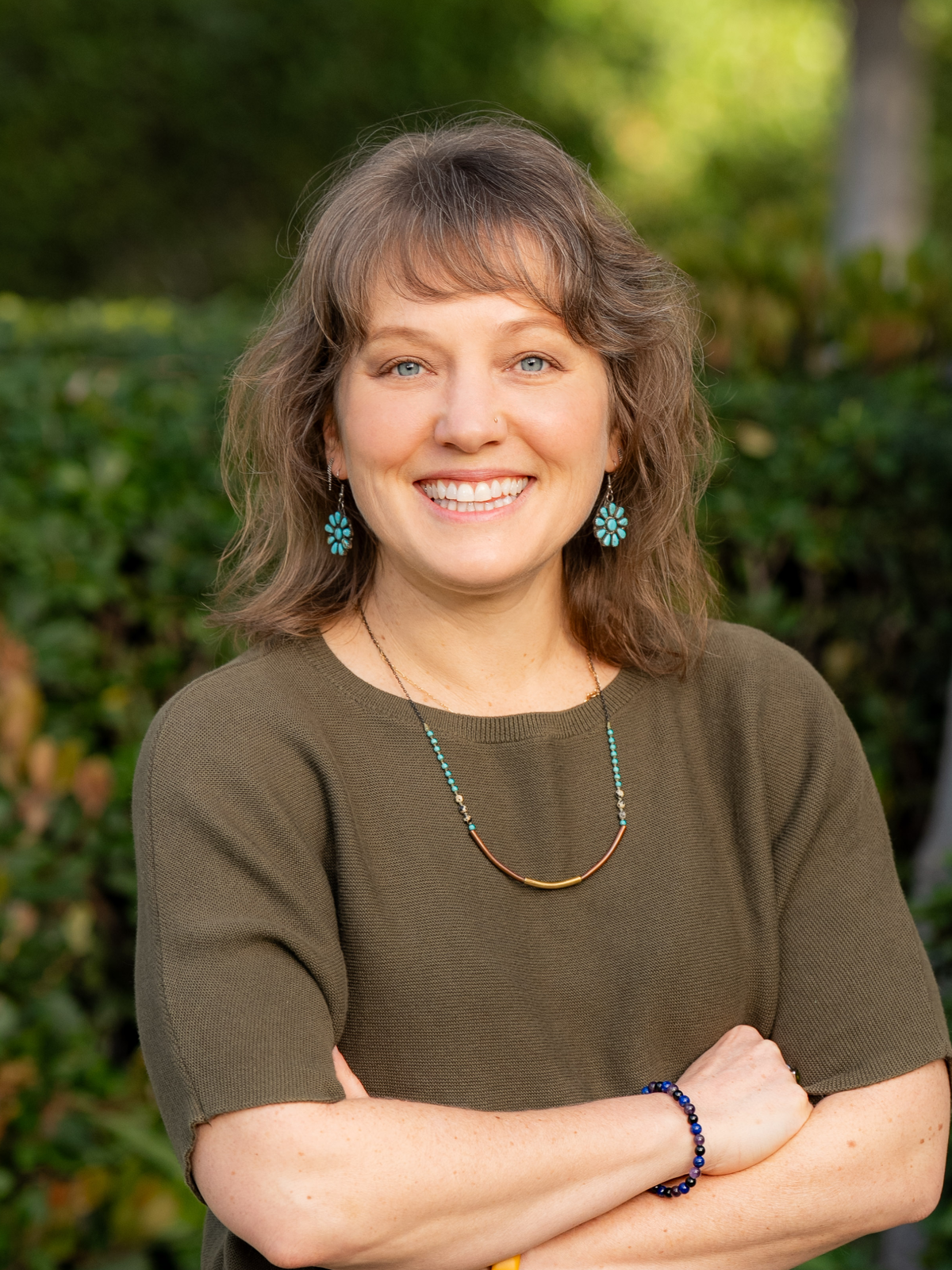
January 6, 2026. Alexis Durham
Alexis Durham is a botanical educator and industry leader with two decades of experience working with medicinal plants from seed to shelf. As Director of Education for the American Herbal Products Association (AHPA), she oversees the association’s educational programs and events, helping industry professionals stay informed on regulatory, scientific, and supply-chain developments.
Alexis holds a B.Sc. in Herbal Sciences from Bastyr University and has worked throughout the herbal sector as an educator, gardener, program coordinator, and Director of Botanical Affairs at Herb Pharm, where she focused on product development and regulatory compliance. She also serves on the Board of Directors for United Plant Savers.
Passionate about plants, conservation, and community, Alexis aims to bring a grounded, insightful perspective to her work and conversations.
RESOURCES:
Book: Invasive Plant Medicine; The Ecological Benefits and Healing Abilities of Invasives by Timothy Lee Scott.
Books by Richo Cech
Books by Deb Soule
Book: Love Them to Death: Turning Invasive Plants Into Local Economic Opportunities edited by Wendy Applequist.